FRA9 FILE · Plan your trip
Safety and emergencies
Travel confidently with practical precautions and useful numbers.
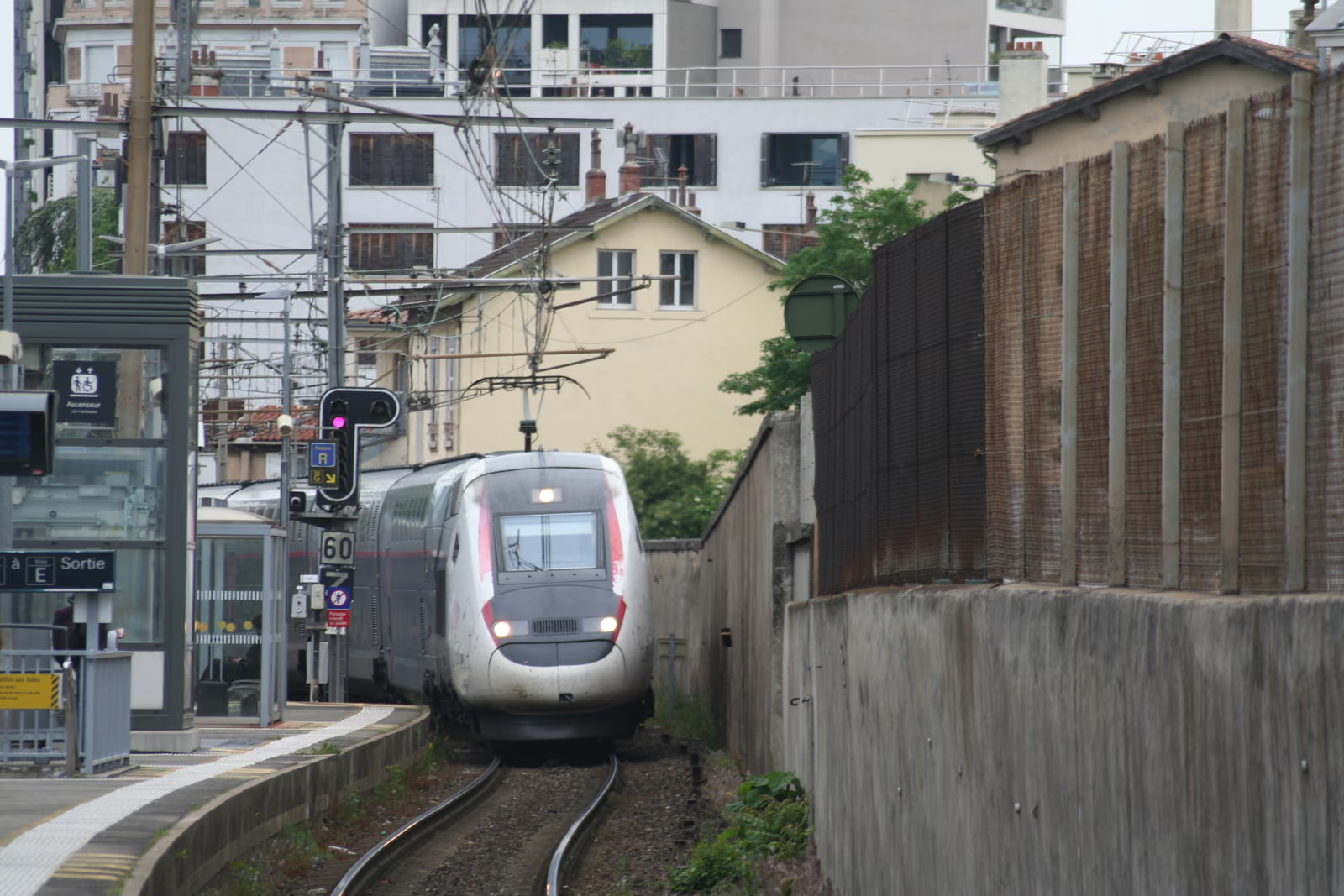
Archive photograph dated 2017-07-14 · Celette · CC BY-SA 4.0. Celette ↗
Which contact fits the situation?
Contact guidance, not a diagnosis. For immediate danger or serious medical uncertainty, contact emergency services and follow their instructions.
| Situation | First contact | Have ready | Important limit |
|---|---|---|---|
| Medical emergency or uncertainty about severity | 15 (Samu) or 112 | Exact location, observed facts, callback number | The professional decides the response; do not wait for the insurer. |
| Crime requiring immediate intervention | 17 or 112 | Location and nature of danger, from a safe place | Routine non-emergency reporting belongs with the local service. |
| Fire, accident or immediate danger | 18 or 112 | Access to the location and people involved | Do not put yourself at risk to collect details. |
| Emergency with hearing/speech barriers, or unsafe to speak | 114: text, app or internet as appropriate | Name, exact address and reason | Emergency access, not a tourist translation line. |
| Care need without immediate danger | Doctor/pharmacist; 15 if no nearby option; 116 117 where available | Town, care need and local availability | Check local arrangements and hours; no guaranteed home visit. |
| Theft without immediate danger; lost/stolen card | Local police/gendarmerie; card issuer for blocking | Facts, affected items and case references | Reporting does not block a card; reimbursement is not automatic. |
| Foreign passport lost or stolen | Your embassy/consulate; police too for theft | Nationality, secure copy, planned departure | A copy or report does not guarantee boarding. |
See the essentials at a glance
FRA9Editorial standardsReport a correction
Reading time estimates the main text; tables, tools, references and questions take additional time.
key points: Emergency or routine help · 112 · 15 · 17 · 18 · Accessible contact · 114 · Theft and documents
In an emergency, contact the right service
For a medical emergency, or uncertainty about how serious it is, call 15 or 112. Use 17 for an urgent police or gendarmerie response, and 18 for fire and rescue in a fire or accident. The European emergency number 112 routes you to the appropriate service. This guide provides contacts, not a diagnosis: explain what is happening and let the professional decide the response. Do not delay an emergency call while dealing with insurance paperwork.
Give a location the responders can find
Start with the exact location: town, street, number, floor and access code if known. In a station, add its name, platform or a visible landmark; outdoors, identify an address or recognisable point without putting yourself in danger. Give a callback number and describe what you observed, rather than guessing a diagnosis. Answer the questions and follow instructions. Keep your accommodation address written down and accessible offline: a business name alone may not locate the entrance.
114: accessible emergency contact
The 114 service lets deaf, hard-of-hearing, deafblind and speech-impaired people contact emergency services by text message, app or internet. If speaking aloud would put you in danger, a text to 114 is also an emergency alert route. Provide your name, exact address and reason for the emergency. Set up the app before travelling if you expect to need it. Do not treat 114 as a tourist translation line: it provides access to emergency services, not general visitor information.
For non-emergency care, check the local route
For a need that is not an immediate emergency, look for an available doctor or ask a pharmacist for advice. The local town hall can identify on-call doctors and pharmacies. If no nearby option is available, 15 also provides access to the SAS care-orientation service. The 116 117 number operates in some areas for out-of-hours primary care: confirm its local availability and hours, rather than assuming it works everywhere. None of these contacts guarantees a home visit.
Keep control of belongings in busy places
On public transport, in queues and at café tables, close your bag and keep important belongings close. Avoid leaving a phone or wallet on the table, or abandoning luggage while distracted. Separate payment methods and keep essential contact details somewhere other than the wallet. This is not a claim that an entire city is dangerous: pay particular attention during crowding, tired arrivals and the moments when you are moving suitcases or buying tickets.
After theft, separate safety, reporting and card blocking
Get to a safe place first. Call 17 or 112 if immediate intervention is needed; otherwise contact a police station or gendarmerie about reporting the theft. For a lost or stolen payment card, promptly use the issuer’s official channel to block it and retain the reference provided. Do not assume a French interbank number supports a foreign-issued card. Record the facts and keep documents for the bank and insurer; making a report does not itself guarantee reimbursement.
Lost or stolen passport: contact your own consulate
If you travel on a foreign document, contact your country’s embassy or consulate in France for its procedures and replacement options. Report theft to the police too. Loss and theft are different: explain what happened without changing the facts. A securely stored document copy and your bookings can help with enquiries, but a photocopy or police report is not universal permission to cross a border or board a flight. Confirm the replacement document and onward-travel requirements with the relevant authorities and carrier.
Keep a short offline emergency sheet
Before departure, gather each accommodation address, a trusted contact, the card issuer’s blocking channel, your consulate and your insurer’s assistance contact. If you take regular medication, keep the information a clinician may need and the documents your own doctor recommends. Ask the insurer about exclusions, upfront payments and the claims process; do not assume every treatment or repatriation is covered. Retain receipts and case references after an incident, while keeping sensitive copies securely stored.
Editorial responsibility and change log
Publication team: FRA9 · Editorial lead: Pınar Mehmet
No completed specialist review is recorded for this page.
- — Publication content or page information changed; this date does not indicate a new source check.
- — Publication content or page information changed; this date does not indicate a new source check.
- — Publication content or page information changed; this date does not indicate a new source check.
Read next