
FRA9 FILE · Travel your way
France with the family
Flexible days, easy activities and stops for every age.
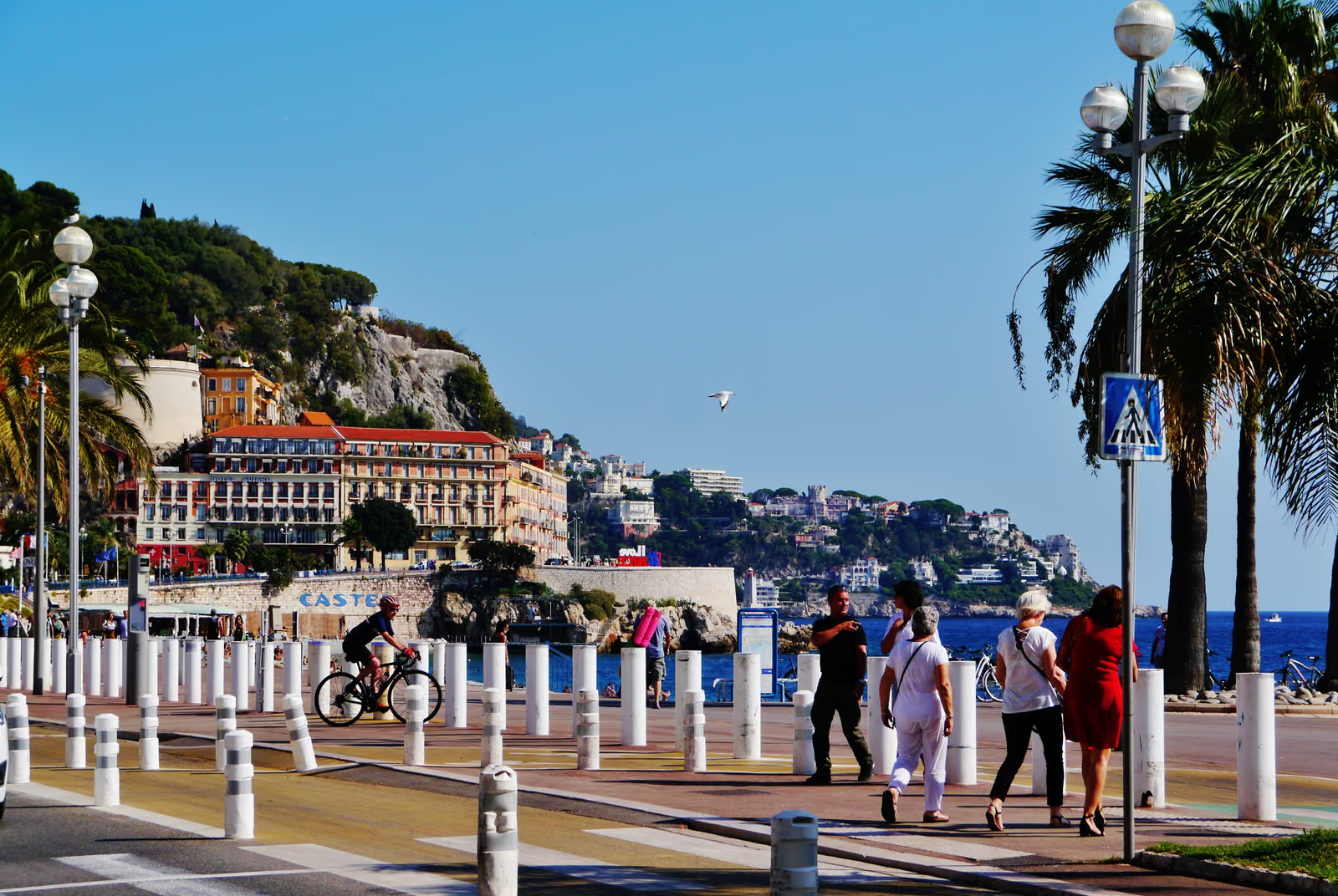
Archive photograph dated 2014-05-18 · David McSpadden · CC BY 2.0. David McSpadden ↗
Which pace suits your family?
These editorial age bands suggest a pace, not admission rights. Combine age, weather, base and fallback, then check the venue’s rules and actual space.
| Age and interest | Weather considered | Base to compare | Plan and fallback | Decisive check |
|---|---|---|---|---|
| 0-3 · frequent rests | Changeable or hot weather | A neighbourhood with an easy return to your accommodation | Short walk; return somewhere calm when needed | Cot, lift, pushchair and venue access rules. |
| 3-6 · hands-on play | Rain possible | Paris, with a simple journey to the Cité des sciences | Park if conditions suit; a suitable 2-6 ans session as fallback | Every child’s age, sibling rules, accompanying adults and a session available. |
| 6-10 · puzzles and châteaux | A mix of outdoor and indoor time | Tours, Amboise or Blois depending on the chosen journeys | One château and an outdoor break; a confirmed indoor visit as fallback | Site and activity openings, return journey and actual walking distance. |
| 11+ · individual interests | An adaptable city day | A city with transport and activities chosen together | Neighbourhood, museum or workshop; everyone chooses a stop | Language, minimum age and the activity’s booking terms. |
| Mixed ages · theme park | Rain, heat or wind possible | Near park access instead of an already busy itinerary | Short shared list; rests and the option to stop | Every ride’s height and age rules, that day’s operation and the return. |
See the essentials at a glance
FRA9Editorial standardsReport a correction
Reading time estimates the main text; tables, tools, references and questions take additional time.
key points: Pace and breaks · Ages and admission · Rain or outdoor plans · One practical base
Start with the group’s pace, not a list of must-sees
Choose one main activity per day, then add a walk or game that is easy to drop. With a toddler, getting back to your accommodation may matter more than a second landmark; with a teenager, leave meaningful room for their interests too. These are editorial suggestions, not admission rules. Before booking, note each activity’s age or height requirement, accompaniment, language and duration. A “family” label does not mean that every child can take part in the entire experience, or that the same plan will suit everyone travelling.
For the autumn holiday, choose an outing with our Halloween in Paris guide: family activities, theme parks and an overnight festival have different rules.
A useful base can matter more than collecting hotel stops
For a first city break, compare neighbourhoods where you can reach your activities and return for a rest without crossing the whole city. For Loire châteaux, consider a base such as Tours, Amboise or Blois only after checking your actual journeys: they do not offer identical access to every estate. France.fr features playful château visits and cycling outings; build a small circuit instead of trying to collect every sight. Confirm the beds, any kitchen, lift and arrival arrangements with the accommodation for your particular family, rather than relying on a generic “family room” label.

On trains, include children as actual travellers
SNCF Connect says that a child under 4 can travel on an adult’s lap without a reserved seat on TGV INOUI, TER and INTERCITÉS and must be included in the booking; this is limited to one child per traveller. A separate seat involves a different option. Do not automatically apply one SNCF rule to every train product. In Île-de-France, reduced fares on certain tickets cover children aged 4 to under 10: not every pass uses the same boundary. Check the precise product, age on the travel date and evidence required before buying.
In Paris, choose the right Cité des enfants space
The Cité des sciences now distinguishes Cité des enfants 2-6 ans and 5-10 ans spaces. Those labels are defined by the venue, unlike the indicative age bands in our table. Read the rules for siblings outside the target band and accompanying adults’ tickets before selecting a session. Children must be accompanied; do not assume that an ordinary exhibition ticket includes this space. An indoor activity can be a rainy-day alternative only if its session, admission rules and actual availability work for your group, not merely because it appears on a list of family attractions.
At Versailles, shorten the route as well as checking tickets
First choose between the Palace, Trianon and outdoor areas according to the group’s interests and stamina. At Versailles, free admission does not remove the timed-booking requirement; garden rules differ on Musical Fountains Show or Musical Gardens days. Standard-sized pushchairs are tolerated inside the Palace and accepted in the Gardens and Park: still check the route and your own equipment. A booked ticket does not remove every check or queue. Leave room before lunch and avoid presenting the whole estate as a short visit that can be squeezed between other major outings.
For parks, check height before promising a ride
At Disneyland Paris, some attractions have height or age requirements; read each attraction’s entry and the signs on site instead of using the family’s average age. The official calendar lets you select a date and inspect the attractions and activities listed; hours can change. Make a short list that works for younger and older children, with breaks between activities. Do not promise a seasonal show or an open ride from an old poster. A full park day is not an interchangeable, last-minute alternative to a small nearby museum.
For coast and countryside stays, make the fallback real
For a base in Brittany, on the Atlantic coast or in the Loire, identify a short outdoor outing and an indoor venue in the same area before travelling. Rain should not force an unplanned long journey with children who are already tired. Check the fallback’s hours, age rules, booking and transport as carefully as the main activity: an aquarium or workshop will not necessarily have spare places. For a beach, boat or cycling outing, ask the operator about that day’s conditions and required equipment. A sunny photograph does not confirm swimming conditions or that an outing will operate.
The day before, use actual weather and operating information
Read the local forecast and Météo-France Vigilance, then the organiser’s information: heat, wind or rain can change a day even during the usual season. Rebuild the programme around rests and a straightforward return; an indoor venue is not automatically a suitable heat refuge. For a mountain excursion, do not infer access from a resort photograph: check the site, the lifts you need and the operator’s age conditions. Download tickets and addresses, confirm the last return and keep one activity that you can drop without unravelling the rest of the trip.
Read next


