FRA9 FILE · Plan your trip
Best time to visit France
Choose by region, crowd levels, weather and budget.
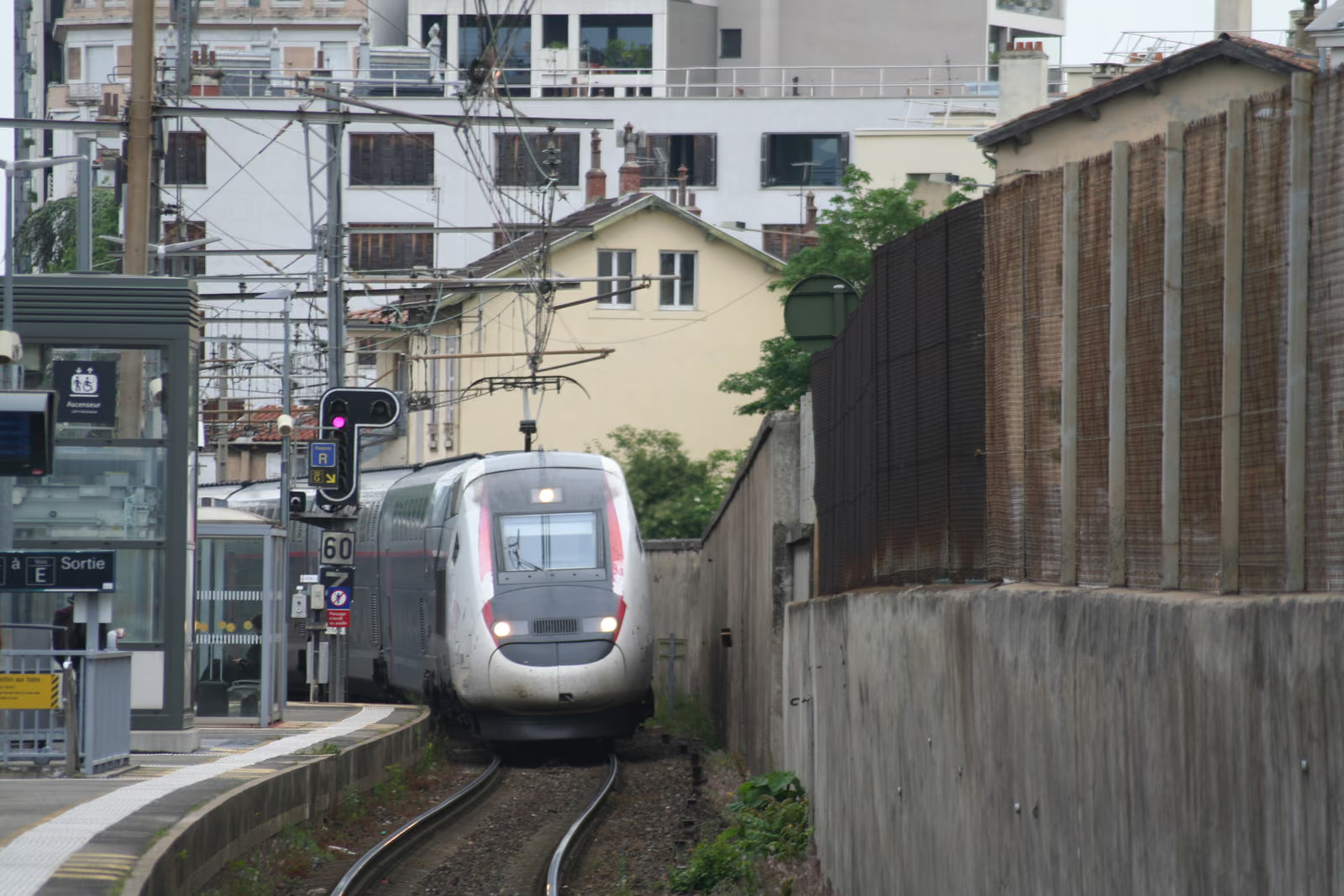
Archive photograph dated 2007-07-09 · Guillaume 1995 · Public domain (author dedication). Guillaume 1995 ↗
Which period suits your plan?
Editorial starting points for mainland France and Corsica. Match region, activity and uncertainty; this table predicts neither weather, prices nor crowds.
| Period to compare | Region and activity | Uncertainty to allow for | Opening check | Fallback to prepare |
|---|---|---|---|---|
| Spring or autumn | Paris and cities · neighbourhoods and museums | The season guarantees neither mild weather nor smaller crowds | Museum closing day, booking and last admission | A booked indoor visit and a shorter walk. |
| Spring to autumn, depending on the plan | Brittany and Atlantic · walking, cycling or harbours | Local rain and wind; swimming conditions are separate | Boat trip, rental, crossing and return actually offered | An indoor venue nearby, open and with space. |
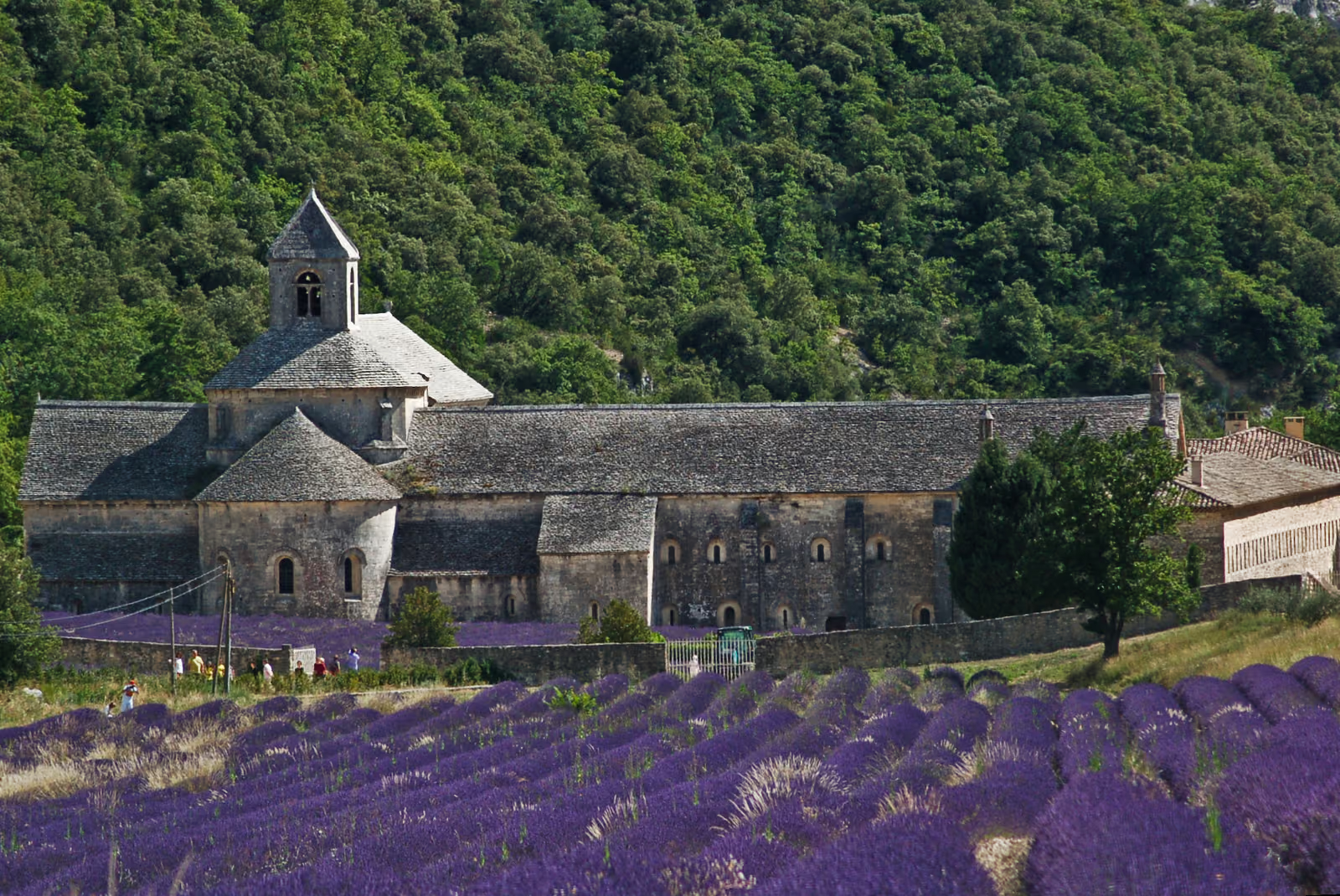
| Compare summer and adjacent periods | Provence, Côte d’Azur, Corsica · towns and coast | Summer heat; Mediterranean heavy rain possible in autumn | Local access, excursions and operator notices | A plan adjustable to that day’s instructions. |
| Winter for skiing; summer for a different activity | Alps and Pyrenees · mountain stay | Neither snow nor altitude access is guaranteed | The lifts needed, operating area and activity restrictions | A confirmed valley activity. |
| Spring or autumn, then the exact calendar | Loire and parks · château, garden or attraction | A site can open without every activity operating | Chambord: château and activities; Disneyland Paris: selected date and attractions | Another visit actually open; do not assume an old programme repeats. |
See the essentials at a glance
FRA9Editorial standardsReport a correction
Reading time estimates the main text; tables, tools, references and questions take additional time.
key points: Season and region · Climate ≠ forecast · Actual opening dates · A workable fallback
There is no single best month for all of France
Start with the activity you would not want to miss: museums, swimming, villages, walking and skiing require different calendars. Then choose a region and an alternative period. The guidance below concerns mainland France and Corsica, not the seasons of overseas France. Météo-France distinguishes several climates shaped by the sea, terrain and altitude. A climate tendency can help you choose a period, but it is not a forecast for your particular week. Do not turn a recommended month into a promise of sunshine, snow or access to the activity you have in mind.
For a winter visit, our Christmas in Paris guide separates confirmed announcements from lights and opening times still awaiting confirmation.
For Paris and cities, balance outdoor time and cultural plans
For a trip centred on museums, neighbourhoods and meals, compare the opening days and booking slots of the visits you actually want first. Spring and autumn are editorial starting points for splitting time between streets and interiors, not guarantees of mild weather or smaller crowds. In winter, build longer visits around indoor venues; in summer, keep a version less exposed to heat. A conference, event or particular weekend can matter more to your stay than its seasonal label. Check your chosen dates rather than treating a whole month as one uniform experience.


For Brittany and the Atlantic, choose a coast and stay flexible
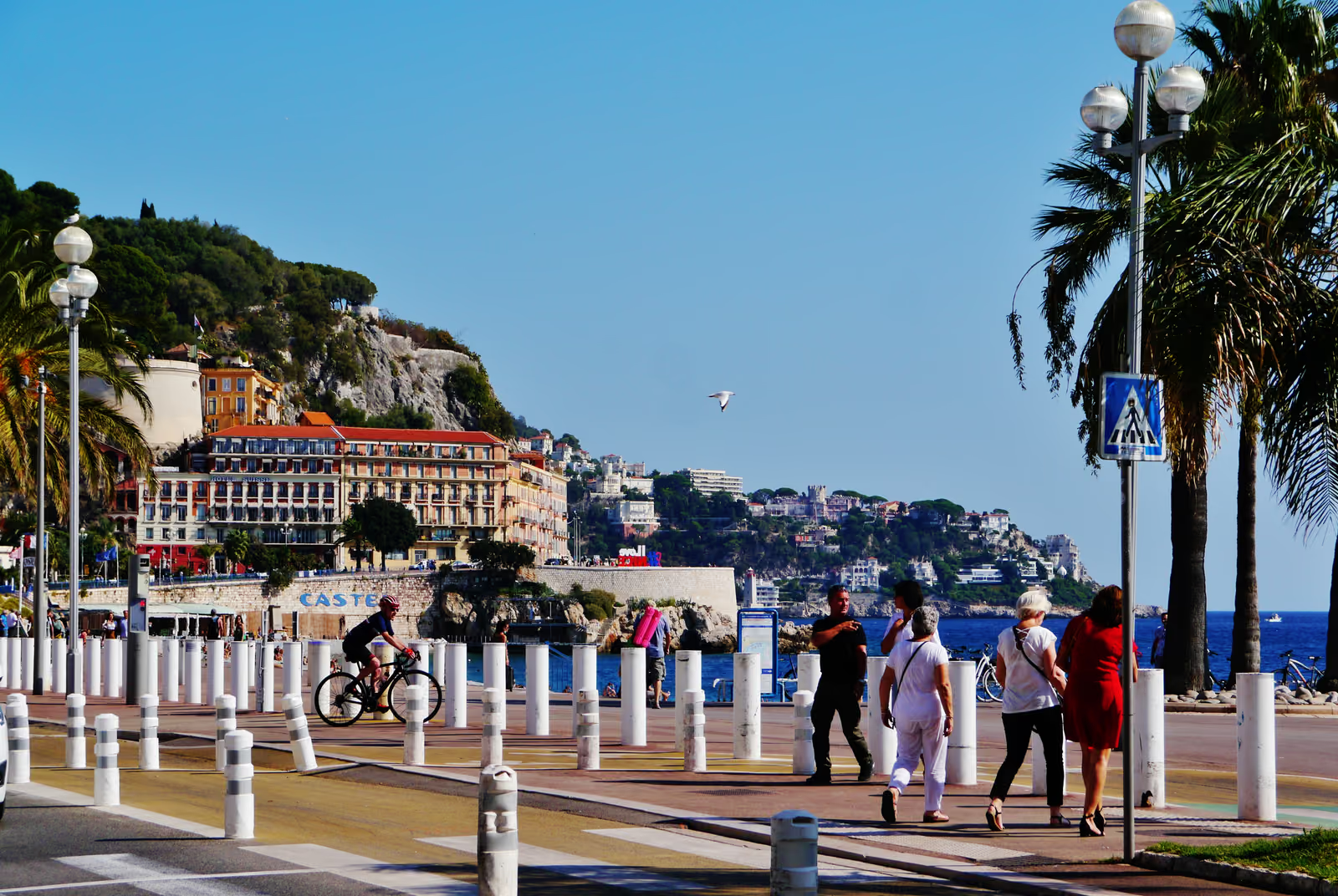
Brest, the Vendée and the Basque coast are not one weather destination. Météo-France describes rainfall contrasts between coasts and the influence of terrain, particularly near the Pyrenees. For walking, cycling or harbour visits, choose a base where you can switch outings without repacking. If swimming is the main aim, check local conditions rather than inferring sea temperature from air temperature. A summer stay may still need an indoor programme; a week outside summer is not necessarily a week of rain. Match the place and activity instead of applying one Atlantic-wide “best month”.
The Mediterranean shoulder season still has weather risks
For Provence, the Côte d’Azur and Corsica, compare your tolerance for heat with the amount of walking and outdoor sightseeing you want. In summer, keep the programme adjustable instead of committing to a compulsory long day outside. In autumn, Météo-France describes the risk of Mediterranean heavy-rain episodes: September and October are not guarantees of good weather. Before an outing, read forecasts, Vigilance and local information. Having a museum alternative is not a reason to disregard travel instructions; the actual conditions of the day take precedence over the usual season.
In the mountains, a date guarantees neither snow nor open lifts
Choose between skiing, a valley walk and an altitude excursion first; these are not interchangeable versions of the same activity. Météo-France reports a shorter snow-cover period in mid-altitude mountains, not a forecast for any particular resort. For Chamonix and Mont-Blanc, the operator publishes annual opening dates but says they can change with weather and operating constraints. Then check the lifts you actually need, current conditions and activity restrictions. Keep a valley option: a winter booking does not buy guaranteed snow, and a summer date does not confirm access to high ground.
For châteaux and parks, separate the site from the activity
For the Loire or a park day, open the venue’s calendar before fixing your transport. Chambord distinguishes château hours from seasonal activities: an open château does not prove that a boat station or show is operating. At Disneyland Paris, inspect the selected day, hours and listed attractions rather than a general brochure; this information can change. In a transition season, do not populate your itinerary with activities copied from a previous year. If the essential activity is not confirmed, choose another date or programme before making a purchase that is difficult to change.
Check school-holiday zones without claiming to predict crowds
Read the education ministry’s calendar for the relevant year and academy: zones A, B and C do not always share winter and spring holiday dates, and Corsica has its own calendar. Add public holidays and events at your intended destination. These are prompts for comparing dates, not a way to calculate certain crowd levels. Outside school holidays does not mean low prices or available rooms; during holidays, an activity may also use different opening hours. Look at the offers and terms actually available for your dates before drawing a conclusion about price, space or convenience.
Plan in two stages, then recheck close to departure
When planning, compare two periods using the same accommodation, journeys and activities so that a change in comfort is not mistaken for a seasonal saving. Note what remains cancellable and each decision deadline. Closer to the trip, move from climate guidance to local Météo-France forecasts, Vigilance and the operator’s notices. Confirm hours, last admission, closures and the journey back. Our table is a static editorial aid, not a weather bulletin or availability engine; checks for your particular date are still needed to validate the programme.
Editorial responsibility and change log
Publication team: FRA9 · Editorial lead: Pınar Mehmet
No completed specialist review is recorded for this page.
- — Publication content or page information changed; this date does not indicate a new source check.
- — Publication content or page information changed; this date does not indicate a new source check.
- — Publication content or page information changed; this date does not indicate a new source check.
- — Publication content or page information changed; this date does not indicate a new source check.
Read next