FRA9 FILE · Museums & heritage
Sénanque Abbey: architecture, lavender and visit
A living Cistercian abbey in a Provençal valley: church, cloister, dormitory, community, lavender and visitor rules.
See the essentials at a glance
FRA9Editorial standardsReport a correction
Reading time estimates the main text; tables, tools, references and questions take additional time.
key points: 1148 · Cisterciens · Vallée · Communauté vivante
History of the monument
Twelve monks from Mazan founded Sénanque on 23 June 1148. The abbey prospered through land, farms and flocks, later declined, suffered damage and was sold during the Revolution. A community returned in the nineteenth century; after further interruptions, Cistercian life continues today under the Rule of Saint Benedict. This is not an abandoned backdrop but an active religious house.
How to read the architecture
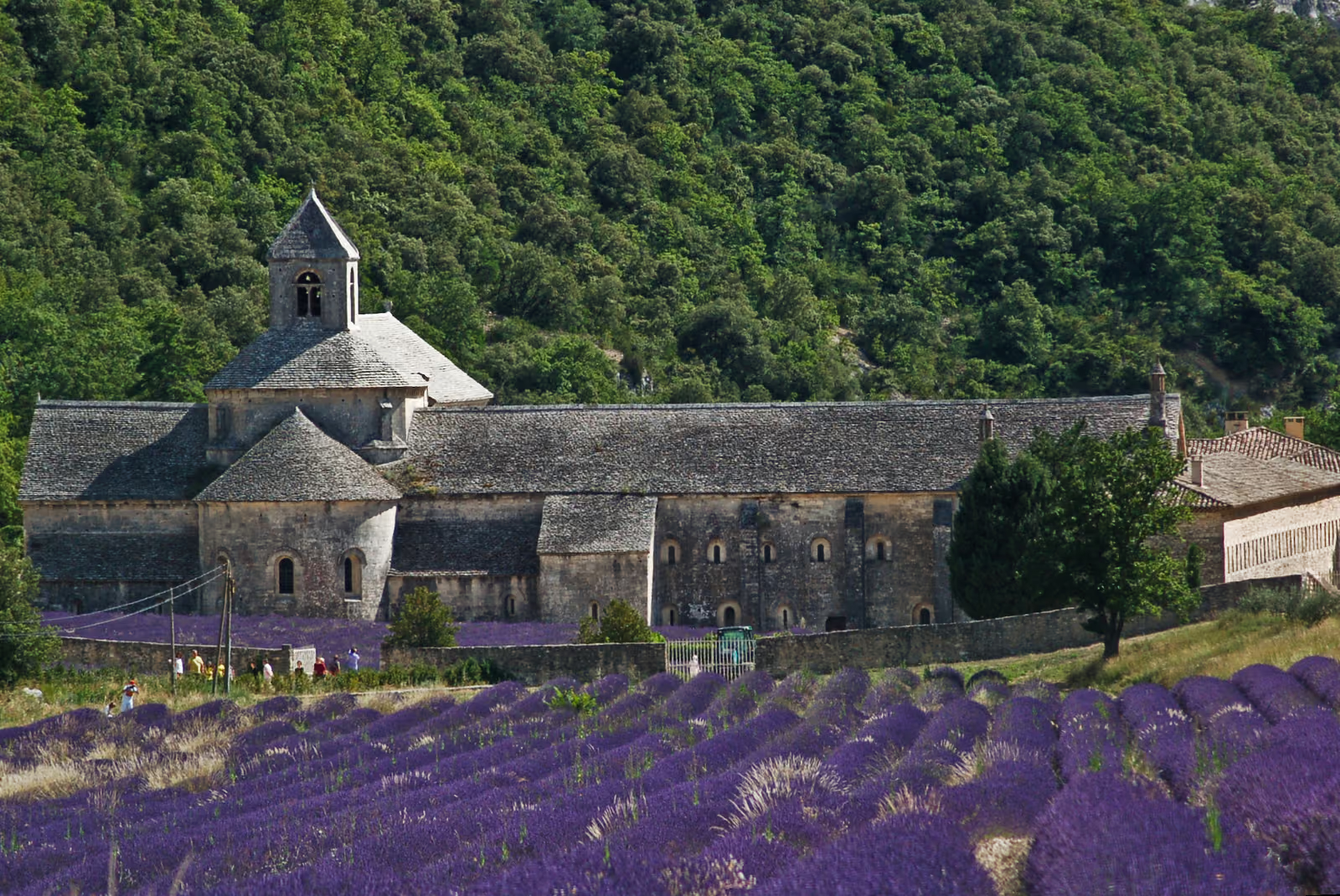
The church does not follow the usual east-west alignment because the valley controls its axis. Stone barrel vault, pointed arches, near-square cloister, chapter house and communal dormitory rely on proportion and light rather than ornament. The lavender field is a modern agricultural landscape; in the Middle Ages this ground held the monks’ cemetery. Separate photographic cliché from historic topography.
Plans, archives and documents
The 1148 foundation record, property and grazing rights, accounts and Revolutionary sale files trace the economy. Conservation records document roofs and masonry; the community’s present calendar records living practice. Lavender is one means of support and the label ‘lavender abbey’ must not reduce nine centuries of history.
The most coherent route
Allow for the narrow road from Gordes and seasonal congestion. Follow the timed guided route through church, cloister, chapter house and dormitory, respecting silence while the community withdraws to enclosure. Interior photography and recording are prohibited. Lavender generally peaks in early summer but harvest dates vary; never promise bloom and do not enter the field.
Photography without losing the visit
Begin with a broad view that places the monument on its urban axis, then select two architectural or decorative details. Respect interior restrictions, worship and residents. A useful photograph also records scale, material and the relationship to the surrounding district.
Hours, tickets and access
Hours, security, free or paid access and temporary closures vary with ceremonies, weather, works and season. Check the official source below that morning, buy only from authorised ticketing and allow time for controls.
What to notice before leaving
Return to the façade or starting viewpoint after the interior: chronology, materials and symbols will now read more clearly. Use the related sites below to build a local route rather than crossing Paris between timed reservations.
Frequently asked questions
How long should I allow for Sénanque Abbey: architecture, lavender and visit?
Allow at least one hour to read the monument without rushing, or two to three with interiors, collections or nearby sites.
Should I book?
Book when an official ticket or slot is offered and check ceremonies and closures on the day.
Where are the reliable records?
Use the official site and documentary sources listed in this page’s bibliography.
Read next